



IL-10
Interleukin-10 (IL-10) functions as a critical anti-inflammatory cytokine that modulates innate and adaptive immune responses[1][2]. Mechanistically, IL-10 activates the JAK-STAT signaling pathway, particularly STAT3, to suppress proinflammatory cytokine production and promote immunoregulatory gene expression[3][1]. In experimental models of bacterial sepsis, IL-10 partially restores mitochondrial function and oxidative phosphorylation in monocytes, counteracting pathogen-induced metabolic inhibition[1]. T cell-derived IL-10 production is regulated by metabolic pathways, including aryl hydrocarbon receptor (Ahr) and Bhlhe40, which control cytokine output and mucosal immune homeostasis in intestinal inflammation models[2]. Compared with related cytokines, IL-10 displays distinct anti-inflammatory potency and feedback regulation not shared by IL-6 or TNF-α[3][1]. Agonists and inhibitors targeting upstream metabolic or signaling modulators, such as dichloroacetate (DCA), can selectively enhance IL-10 production in Th1 cells, demonstrating translational potential for inflammatory bowel disease research[2]. Furthermore, IL-10 isoform-specific signaling contributes to differential regulation of oxidative phosphorylation genes, offering a mechanistic basis for isoform-focused experimental applications[1]. Collectively, these findings highlight IL-10 as a central regulator of immune homeostasis, with mechanistic specificity distinct from related cytokines and amenable to pharmacological modulation in experimental and disease-relevant contexts[3][1][2].
References:
- [1]. Cheon H, et al. Prostaglandin E2 augments IL-10 signaling and function. J Immunol. 2006 Jul 15;177(2):1092-100. [Content Brief]
- [2]. Gopinathan U, et al. Transcriptomic data from two primary cell models stimulating human monocytes suggest inhibition of oxidative phosphorylation and mitochondrial function by N. meningitidis which is partially up-regulated by IL-10. BMC Immunol. 2017 Oct 27;18(1):46. [Content Brief]
- [3]. Liu H, et al. Metabolic regulation of T cell production of IL-10 and IL-22 protects against intestinal inflammation. Precis Clin Med. 2025 Oct 24;8(4):pbaf025. [Content Brief]
-
IL-10 Related Products (87)
Related Products (87)

-
Recombinant Proteins (16)
-
Indole-3-pyruvic acid
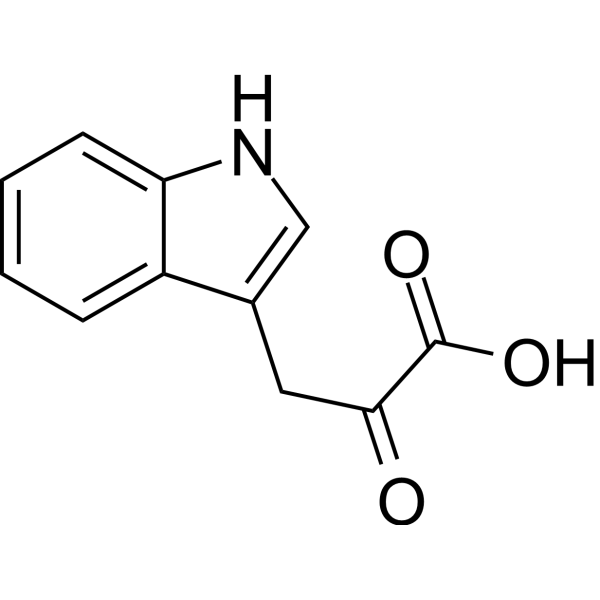 0 ImagesIndole-3-pyruvic acid is an orally active ketone analog of tryptophan, and is an aryl hydrocarbon receptor (AHR) agonist. Indole-3-pyruvic acid inhibits p38/MAPK phosphorylation, regulates the tryptophan metabolic pathway, and also possesses protective activities against skin photodamage, as well as anti-inflammatory and anti-anxiety bioactivities in the gut. Indole-3-pyruvic acid can downregulate the expression of IL-1β, IL-6, Cox-2, and Bax to alleviate UVB-induced keratinocyte toxicity. Indole-3-pyruvic acid can activate AHR to promote Tr1 cell differentiation, increase IL-10, and inhibit Th1 cytokine production. Indole-3-pyruvic acid can alter the levels of kynurenine metabolites in the brain, mediating central nervous system-related effects. Indole-3-pyruvic acid can be used in research on skin lesions, colitis, and anxiety.
-
Theophylline
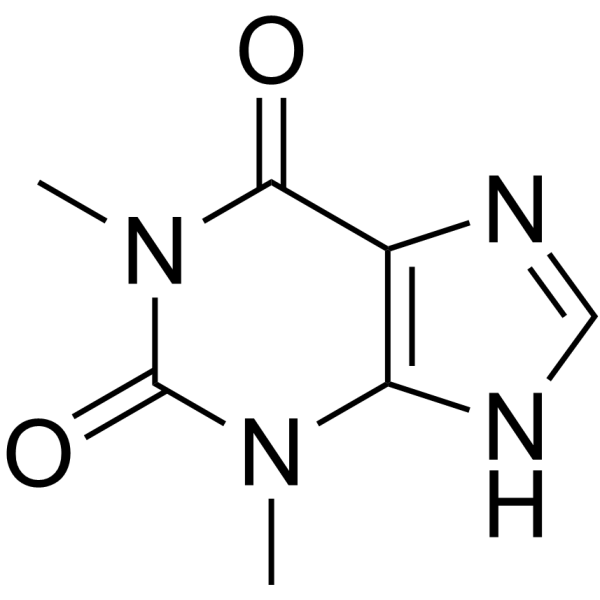 0 ImagesTheophylline (1,3-Dimethylxanthine) is a potent phosphodiesterase (PDE) inhibitor, adenosine receptor antagonist, and histone deacetylase (HDAC) activator. Theophylline (1,3-Dimethylxanthine) inhibits PDE3 activity to relax airway smooth muscle. Theophylline (1,3-Dimethylxanthine) has anti-inflammatory activity by increase IL-10 and inhibit NF-κB into the nucleus. Theophylline (1,3-Dimethylxanthine) induces apoptosis. Theophylline (1,3-Dimethylxanthine) can be used for asthma and chronic obstructive pulmonary disease (COPD) research.
-
JTE-607
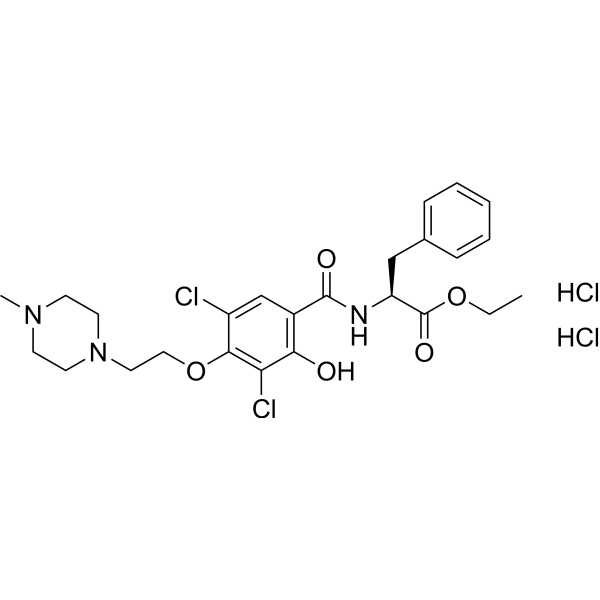 0 ImagesJTE-607, a highly selective inflammatory cytokine synthesis inhibitor, protects from endotoxin shock in mice. JTE-607 inhibits inflammatory cytokine production, including TNF-α, IL-1β, IL-6, IL-8 and IL-10, from LPS-stimulated human PBMCs, with IC50s of 11, 5.9, 8.8, 7.3 and 9.1 nM, respectively. Cleavage and Polyadenylation Specificity Factor 3 (CPSF3) is the target of JTE-607.
-
Difelikefalin
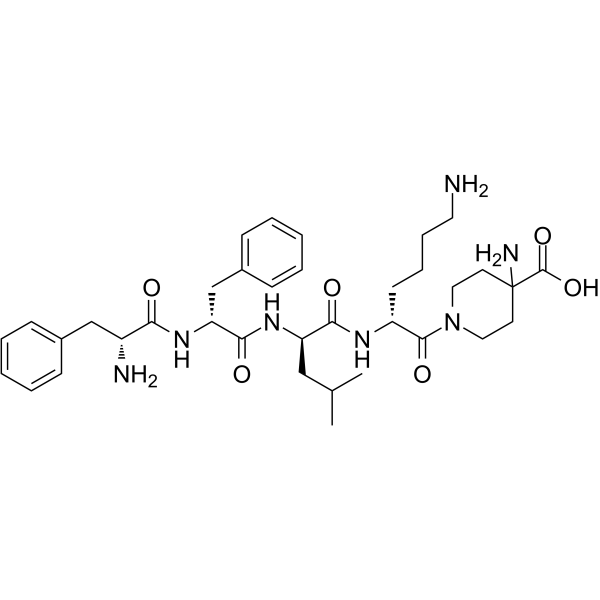 0 ImagesSynonyms: CR-845; FE-202845Difelikefalin (CR-845; FE-202845) is an orally active peripherally acting kappa opioid receptor agonist. Difelikefalin reduces acute kidney injury, decreases oliguria, maintains urine flow, inhibits cytokine expression, and improves survival in endotoxemia after ischemia/reperfusion. Difelikefalin suppresses pruritus signals and exhibits neuromodulatory antipruritic activity. Difelikefalin can be used in research related to acute kidney injury, chronic kidney disease-associated pruritus, and atopic dermatitis.

-
Theophylline (Standard)
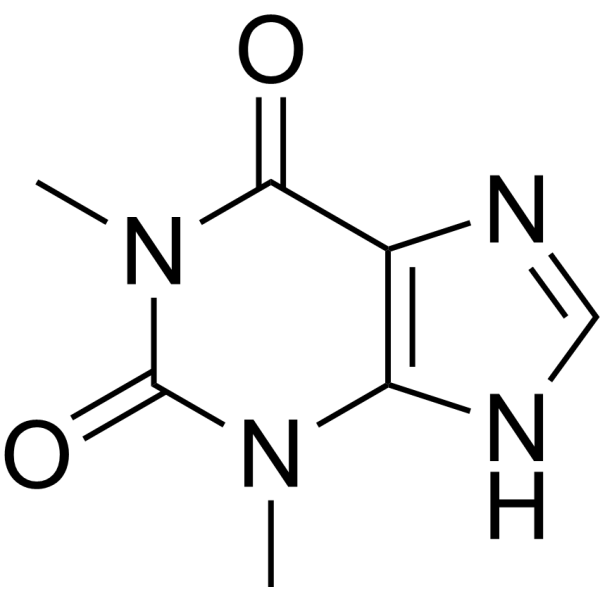 0 ImagesSynonyms: 1,3-Dimethylxanthine(Standard); Theo-24 (Standard)Theophylline (Standard) is the analytical standard of Theophylline. This product is intended for research and analytical applications. Theophylline (1,3-Dimethylxanthine) is a potent phosphodiesterase (PDE) inhibitor, adenosine receptor antagonist, and histone deacetylase (HDAC) activator. Theophylline (1,3-Dimethylxanthine) inhibits PDE3 activity to relax airway smooth muscle. Theophylline (1,3-Dimethylxanthine) has anti-inflammatory activity by increase IL-10 and inhibit NF-κB into the nucleus. Theophylline (1,3-Dimethylxanthine) induces apoptosis. Theophylline (1,3-Dimethylxanthine) can be used for asthma and chronic obstructive pulmonary disease (COPD) research.
-
DpC
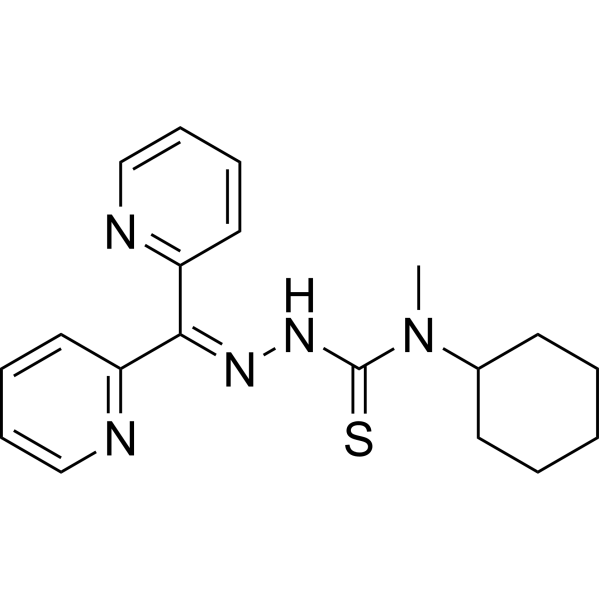 0 ImagesDpC is a selective, orally active iron chelator with anticancer activity. DpC acts on signaling pathway-related targets such as JNK, NF-κB, and its activity is competitively inhibited by another iron chelator Dp44mT (HY-18973). By chelating intracellular iron and copper ions in tumor cells to form redox-active complexes, DpC induces oxidative stress, activates the JNK, NF-κB pathways and downregulates IκBα, upregulates the expressions of neuroglobin and cytoglobin, activates caspase 3/9 to induce tumor cell apoptosis. It also overcomes P-glycoprotein-mediated multidrug resistance through a lysosome-targeting mechanism, and exhibits broad-spectrum synergistic effects when combined with various chemotherapeutic agents. DpC inhibits tumor metastasis and increases TNF-α levels in the tumor microenvironment to enhance endogenous immune responses. DpC is applicable to the research of various malignancies including neuroblastoma, pancreatic cancer, prostate cancer, lung cancer, and breast cancer.
-
Thiabendazole
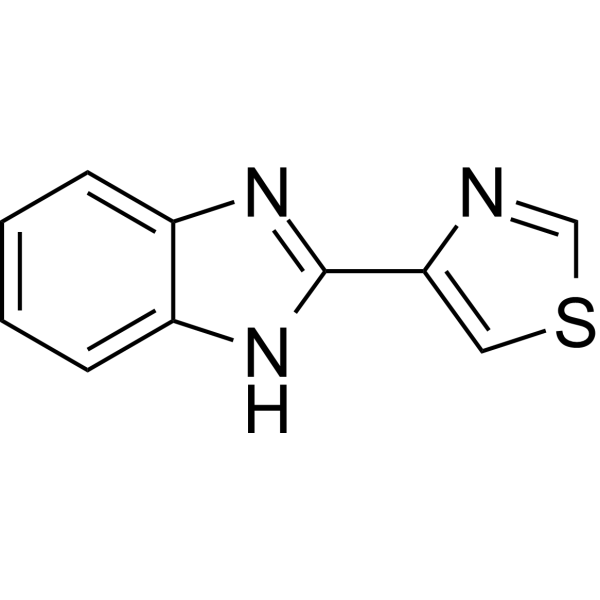 0 ImagesSynonyms: Tiabendazole; 2-(4-Thiazolyl)benzimidazoleThiabendazole is an orally available benzimidazole fungicide with repellent and anticancer activities. Thiabendazole can result in developmental malformations. Thiabendazole can be used for modeling.
-
SB-273005
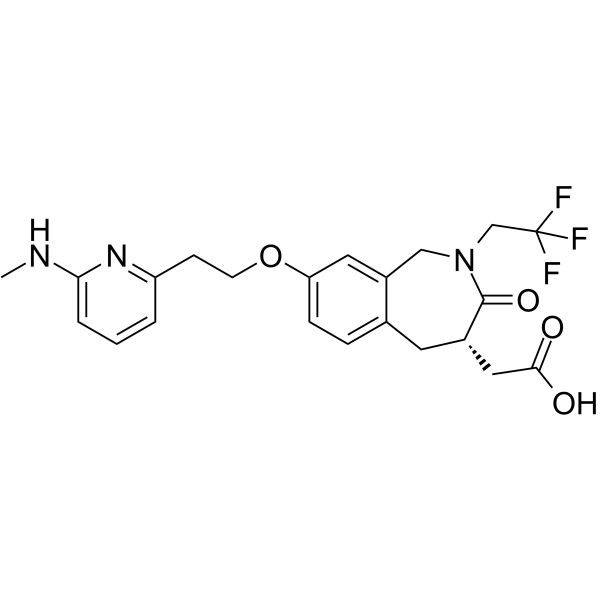 0 ImagesSB-273005 is an orally active non-peptide αvβ3 integrin antagonist with Ki values of 1.2 nM and 0.3 nM for αvβ3 and αvβ5, respectively. SB-273005 blocks the binding of integrins to the RGD sequence in the extracellular matrix. SB-273005 inhibits Rictor phosphorylation and reduces IL-10 secretion. SB-273005 inhibits inflammation, prevents bone loss, regulates vascular smooth muscle function, and reverses pregnancy-induced immune deviation. SB-273005 can be used in the study of rheumatoid arthritis, osteoporosis, and aneurysms. .
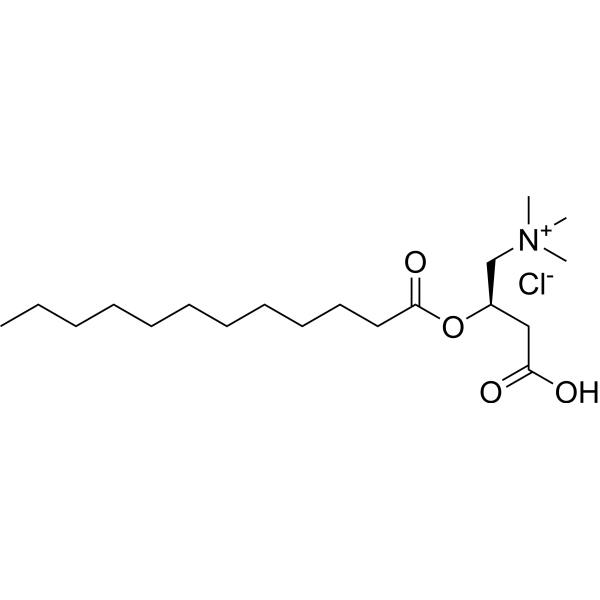
-
AX-024
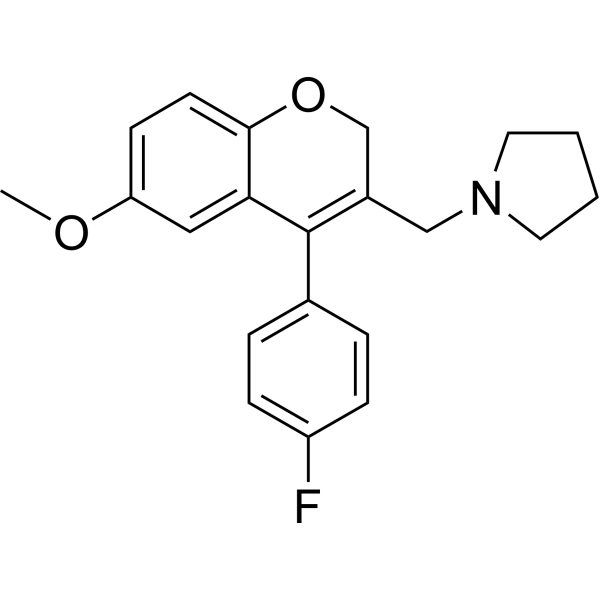 0 ImagesAX-024 is an orally available, first-in-class inhibitor of the TCR-Nck interaction that selectively inhibits TCR-triggered T cell activation with an IC50 ~1 nM. AX-024 modulates cell signaling by targeting SH3 domains. AX-024 has low-acute toxicity and high potency and selectivity, and strongly inhibit the production of IL-6, TNF-α, IFN-γ, IL-10 and IL-17A.
-
Tryptanthrin
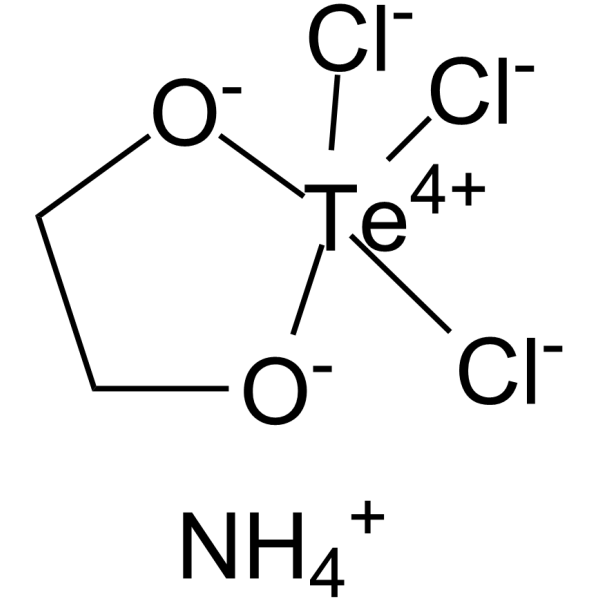
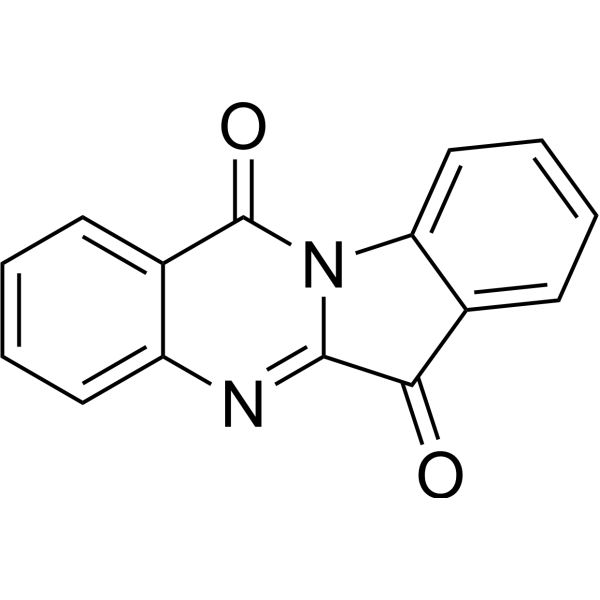 0 ImagesTryptanthrin is an indole quinazoline that could be an alkaloid from indigo-bearing plants. Tryptanthrin is a potent and orally active cellular Leukotriene (LT) biosynthesis inhibitor. Tryptanthrin has anticancer activity. Tryptanthrin suppresses the expression levels of NOS1, COX-2, and NF-κB and regulates the expression levels of IL-2, IL-10, and TNF-α.
-
Anti-Mouse IL-10 Antibody (JES5-2A5)
 0 ImagesCat. No.: HY-P990001Purity: 98.666%Anti-Mouse IL-10 Antibody (JES5-2A5) is an anti-mouse IL-10 IgG1 monoclonal antibody. Anti-Mouse IL-10 Antibody (JES5-2A5) restores the anti-tumor activity of IL-6 by blocking the IL-10/SOCS3 axis. Anti-Mouse IL-10 Antibody (JES5-2A5) can reverse microcirculation and cognitive deficits. Anti-Mouse IL-10 Antibody (JES5-2A5) can be used for researches on cancer and metabolic disease such as osteosarcoma and type 1 diabetes mellitus (T1DM).
-
Piperonylic acid
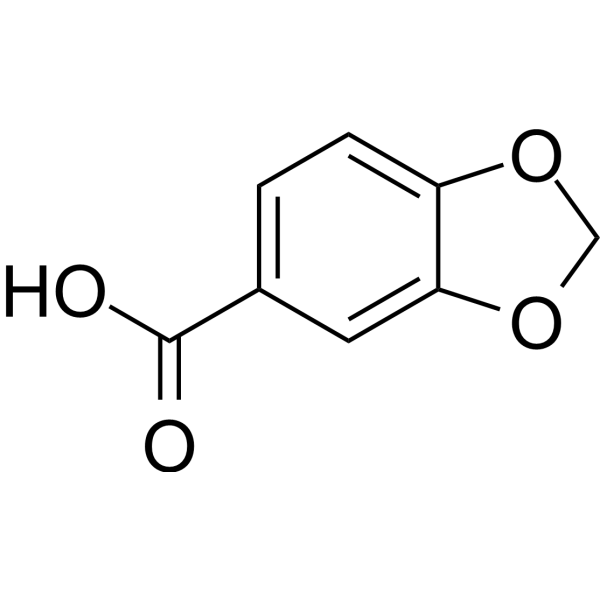 0 ImagesPiperonylic acid is a natural molecule bearing a methylenedioxy function that closely mimics the structure of trans-cinnamic acid. Piperonylic Acid is a selective, mechanism-based inactivator of the trans-cinnamate 4-Hydroxylase. Piperonylic acid has anticancer, antioxidant and antibacterial activities.
-
Gamma-glutamylcysteine TFA
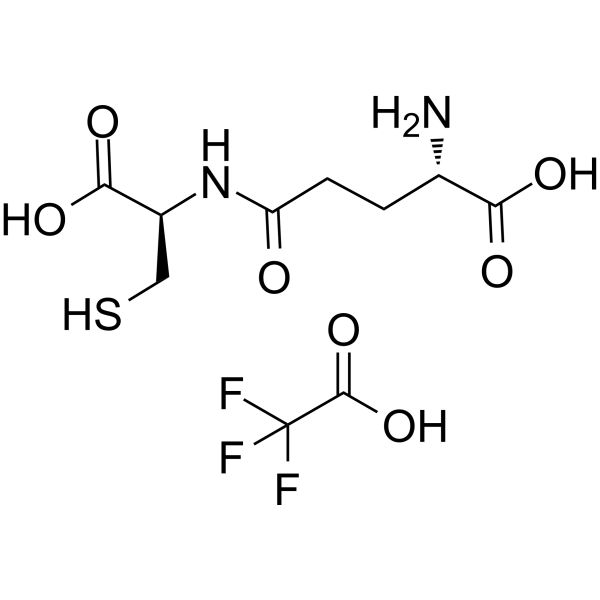 0 ImagesCat. No.: HY-113402ACAS No.: 283159-88-6Synonyms: γ-Glu-Cys TFAGamma-glutamylcysteine TFA (γ-Glu-Cys TFA) is an orally active, blood-brain barrier permeable dipeptide. Gamma-glutamylcysteine TFA activates AMPK, SIRT1, IL-4/STAT6, AC/cAMP/PI3K, IGF-1R/IRS1/PI3K, and Nrf2 signaling pathways; it inhibits NF-κB, JAK1/STAT1/3, MAPKs, cadmium-induced p38 MAPK, JNK, and PI3K/Akt signaling pathways. Gamma-glutamylcysteine TFA regulates macrophage polarization, modulates the trafficking of CD36 and GLUT4, induces glutathione synthesis, improves metabolic dysfunction, reduces lipid deposition, ameliorates glucose homeostasis, inhibits apoptosis (Apoptosis), stabilizes mitochondria, suppresses lipid peroxidation, iron accumulation and ferroptosis (Ferroptosis), reduces ds-HMGB1 levels, reverses mechanical hyperalgesia, and alleviates hepatic lipid droplet formation. Gamma-glutamylcysteine TFA is applicable to research related to inflammatory bowel disease, type 2 diabetes, cadmium-induced neurotoxicity, Alzheimer's disease, cerebral ischemia/reperfusion injury, neuropathy, and alcoholic liver disease.
-
Broussonin E
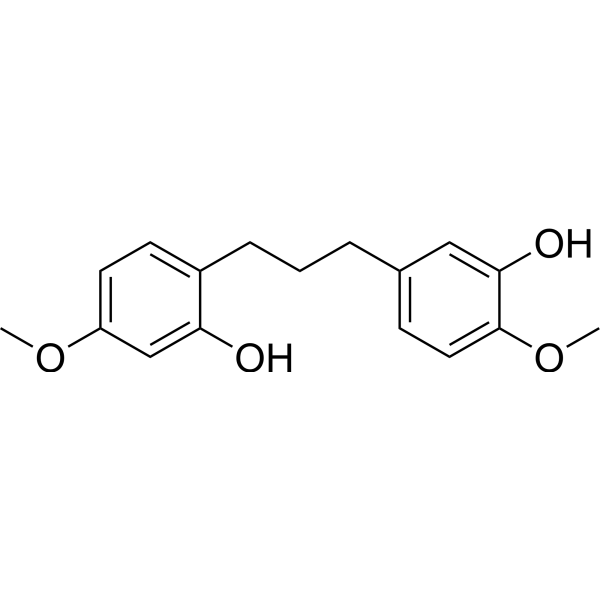 0 ImagesBroussonin E is a phenolic compound and shows anti-inflammatory activity. Broussonin E can suppress inflammation by modulating macrophages activation statevia inhibiting the ERK and p38 MAPK and enhancing JAK2-STAT3 signaling pathway. Broussonin E can be used for the research of inflammation-related diseases such as atherosclerosis.




